Ripples: Shifting Realities in the Arctic
Ripples: Shifting Realities in the Arctic brings together artists and scientists to explore the profound environmental, cultural, and perceptual transformations currently unfolding in the Arctic. Presented at the Nordic House in Reykjavík, the exhibition examines the impact of climate change on snow, ice, and glacial landscapes, while inviting reflection on humanity’s relationship with nature and the cultural significance of the Arctic environment.
Artists: Britta Marakatt-Labba, Ivínguak’ Stork Høegh, Josefina Nelimarkka and Þorvarður Árnason
Curator: Ásthildur Jónsdóttir
Through photography, video, textile, painting, and installation, the exhibition presents four distinct artistic perspectives that intertwine environmental science with lived experience, Indigenous knowledge, and artistic imagination. Each artist approaches the Arctic not only as a physical place, but as a cultural, emotional, and ecological system in flux.
Britta Marakatt-Labba, a renowned Sámi artist, uses textile art to depict the deep cultural and spiritual connections between the Sámi people and snow, portraying the cyclical rhythms and seasonal shifts of northern life.
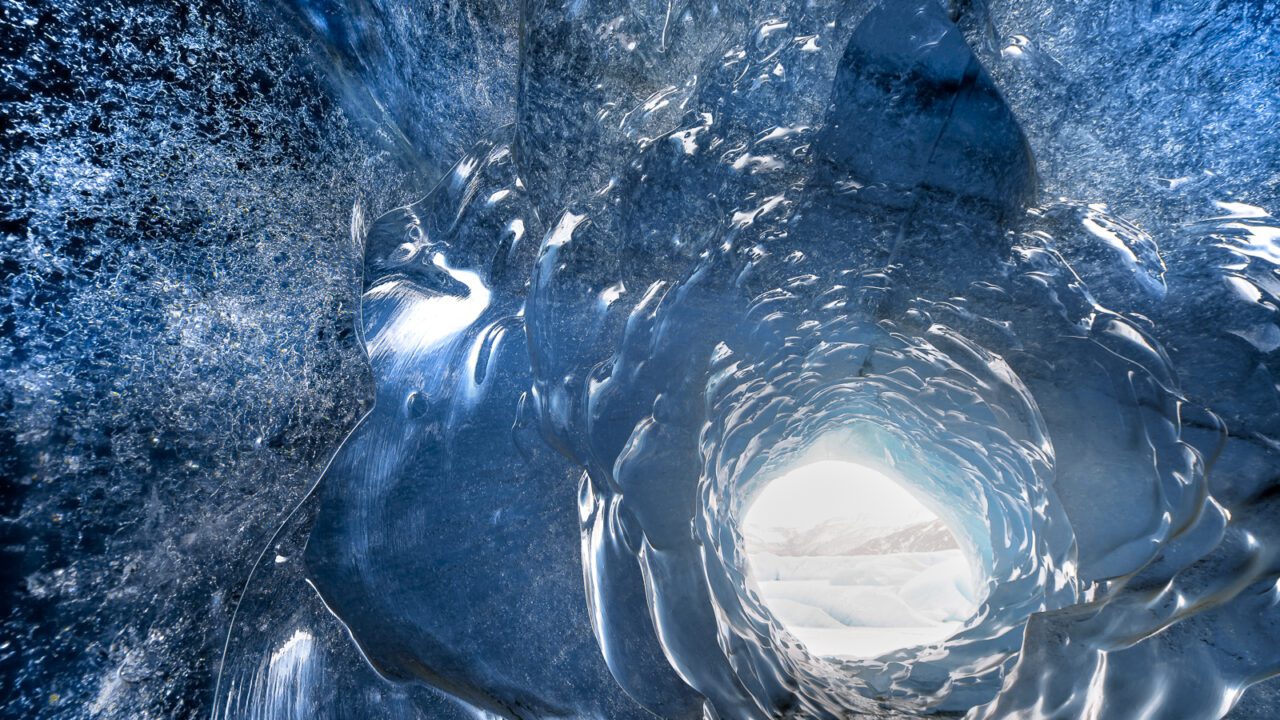
Þorvarður Árnason presents two decades of photographic and video documentation from Vatnajökull Glacier, revealing the dramatic retreat of the ice and the tangible evidence of climate change.
Josefina Nelimarkka engages with atmospheric data and environmental science through immersive installation art, translating the invisible dynamics of weather and climate into sensory experiences.
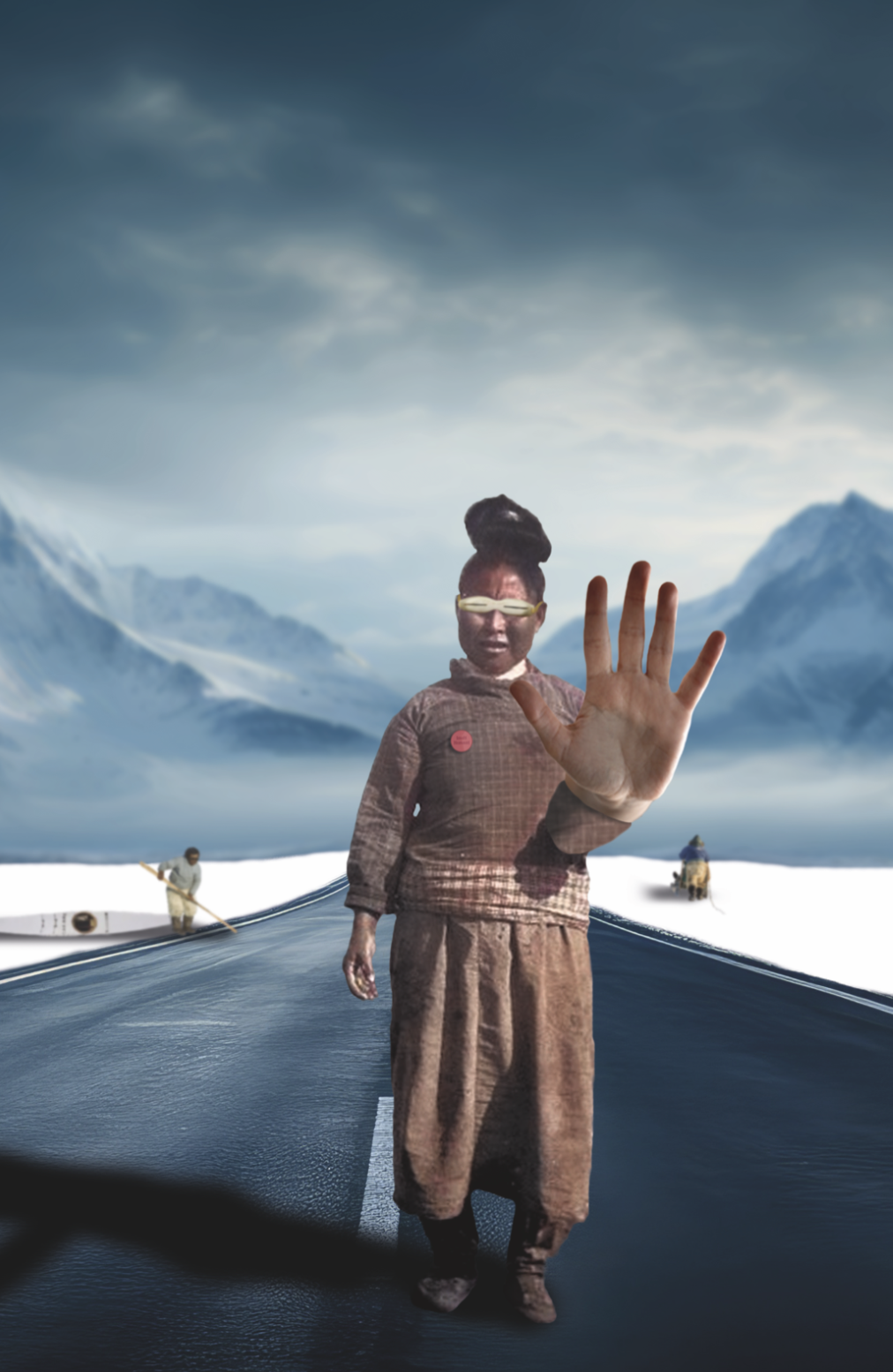
Ivínguak’ Stork Høegh reimagines Arctic futures through Indigenous Futurism, blending vibrant colours and cultural symbolism to envision resilience, transformation, and new possibilities for Arctic identities.
The exhibition is accompanied by a learning space in the Nordic House library and an educational programme developed in collaboration with local schools. These initiatives invite students and visitors to explore climate change through creativity, dialogue, and reflection, and to consider how scientific knowledge, artistic practice, and embodied experience intersect.
Throughout the exhibition period (February–May 2026), a series of workshops, talks, and seminars connect artists, researchers, educators, and young people from across Iceland. These activities culminate in a children’s exhibition as part of Reykjavík’s Children’s Cultural Festival, extending the themes of Ripples into new generational and communal contexts.
At its core, Ripples seeks to evoke both wonder and responsibility. By integrating Indigenous knowledge, scientific insight, and artistic expression, the exhibition invites audiences to reflect on the interconnectedness of natural systems and the ethical implications of environmental change. It challenges viewers to look beyond the aesthetic surface of melting ice and shifting weather patterns, and to consider their own position within these planetary processes.
In bringing together these voices and visions, Ripples strengthens and amplifies the message that the future of the Arctic is inseparable from our shared global future.
Cover image: Dr. Þorvarður Árnason
Access to the exhibition is via stairs from the outside or with an elevator from the atrium. More information on accessibility and opening hours can be found by clicking here.