Membrane: Myths & Fictions of Soil explores soil regeneration as a fundamental process that makes Earth habitable, enabling life to emerge, persist, and renew itself. Scientific and posthumanist perspectives increasingly describe soil as a self-organising living system: a dynamic, symbiotic process rather than an inert resource. Soil embodies both life-generating growth and the vital cycles of decay and decomposition. Because of its opacity and non-human temporalities, soil invites speculations, myths, and narratives alongside scientific knowledge. Bringing together contemporary artistic practices, Membrane reveals soil as a multispecies archive and living memory, staging renewed earthly relations beyond anthropocentrism.
From the curator, Thomas Pausz:
Membrane / Himna is the fruit of a long-term dialogue with the team at the Nordic House, the participating artists, designers, and researchers on soil ecologies. The exhibition was slowly constructed around the intuition that fictions and fabulations expand ecological awareness of soil-making processes. Rather than communicating or aestheticizing soil science, the artworks inhabiting this membrane weave alternative stories and embody other soil mythologies: hopeful monsters, symbiotic travellers, porous shelters.
The complex relations between soil and stories — soil as a repository of stories — are beautifully described by Tim Ingold, when he defines soil as a palimpsest: a living membrane through which the buried past constantly resurfaces into the present. In this exhibition, voices from the past animate bodies of today, ancient artefacts time-travel to help trees in our car-obsessed cities, and archaic organisms invade the digital space.
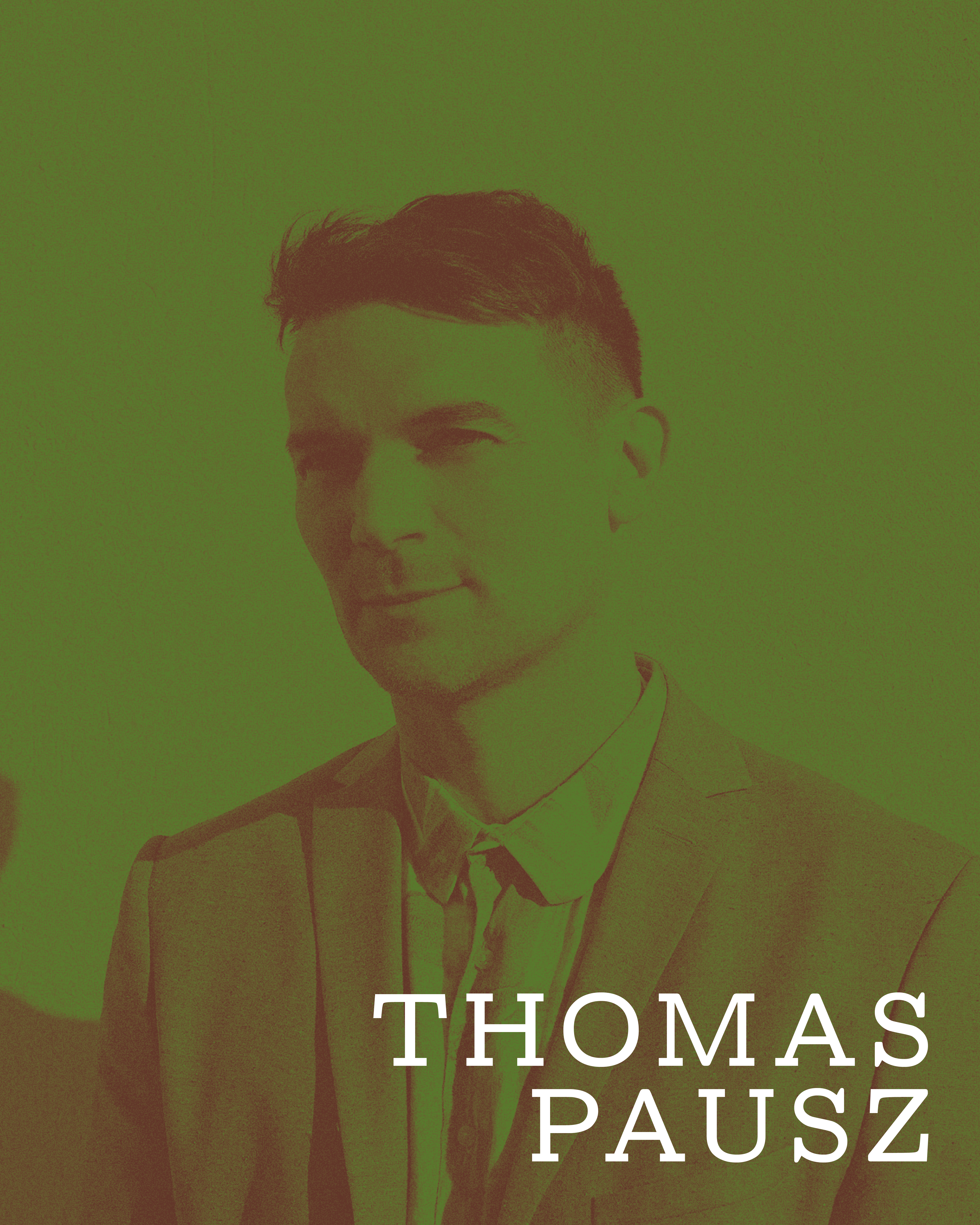
Thomas Pausz is a curator and researcher working at the intersection of critical ecologies, artistic practice, and eco fiction writing. Membrane: Myths & Fictions of Soil is the third exhibition Pausz has curated at the Nordic House in Reykjavík, after Re-Mapping the Arctic and Forms of Life.